 Dasgowar
The work
Drawing with a needle
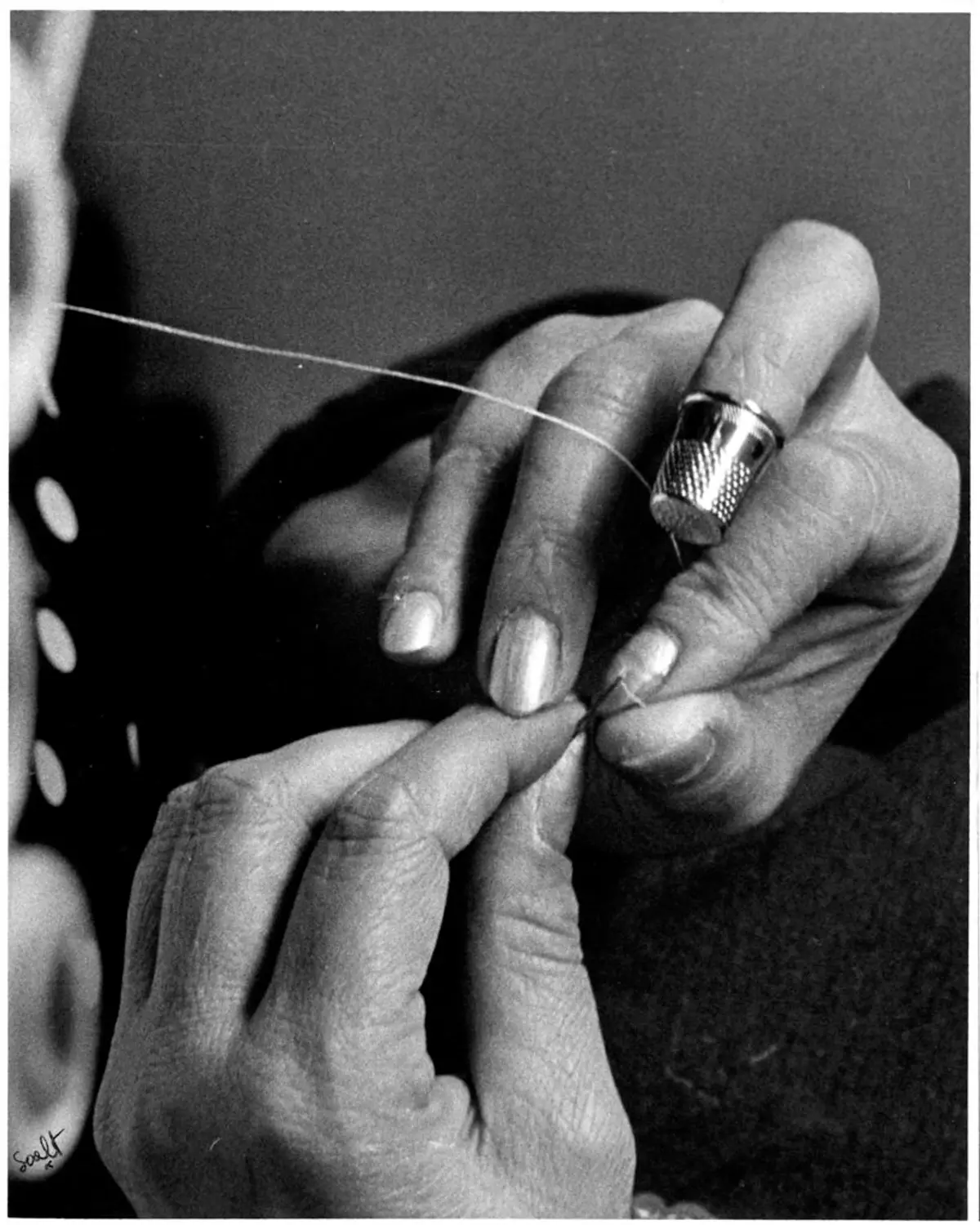
Doch is counted-thread embroidery. Nothing is drawn on the cloth first. The maker counts threads in the weave and the motif comes out of the arithmetic. It is why two panels made sixty years apart in the same village still look related.
The workshop
Craftswomen, no middleman
Dasgowar buys directly from the women who stitch. They are paid per piece at a rate they set, before the piece is sold rather than after, and they decide how many they take on in a season. Nobody here works to a quota.
That arrangement is the reason the catalogue is small. Twenty-odd pieces at a time is what a small circle of craftswomen across Balochistan can make properly while running households, some of them teaching daughters the same counting.
Every piece is checked on the bench before it is photographed: stitch tension, mirror settings, the finish on the reverse. Panels are not lined, because a lining hides how the tension was held and that is the part worth seeing.
The motif changes with the road you took to get there
- Kech and TurbatGwath. Wind
- The deepest bands, read outwards from a centre row. Panels from here take five weeks and are the reason the workshop exists at all.
- PanjgurPull. Flower
- Finer thread, more air between motifs, borders that repeat rather than build. Most of the clutches start as Panjgur panels.
- MastungChapar. Lattice
- Counted lattice work on undyed cotton, closer to the north-eastern tradition. Nearly all the cushion covers come from three makers here.
Why this site is grey
Craft shops usually shout: warm backgrounds, gold rules, a serif doing an impression of heritage. All of it competes with the thread.
So this one does not have a colour scheme. The interface is chalk, silt, basalt and shadow. The palette of the Hingol badlands, which is to say almost none. The only colour you will find is sampled from the embroidery itself, in the band under each piece. When something here is coloured, it is because someone stitched it.